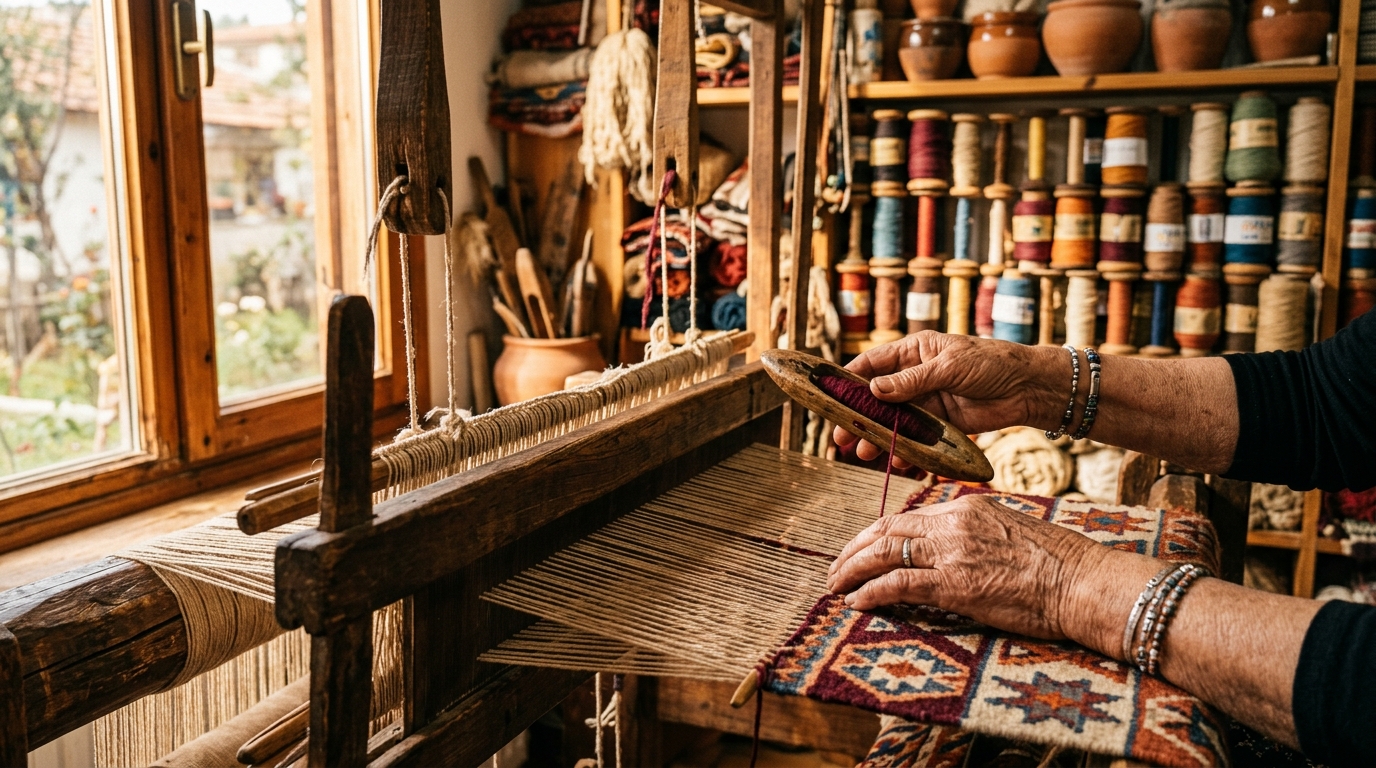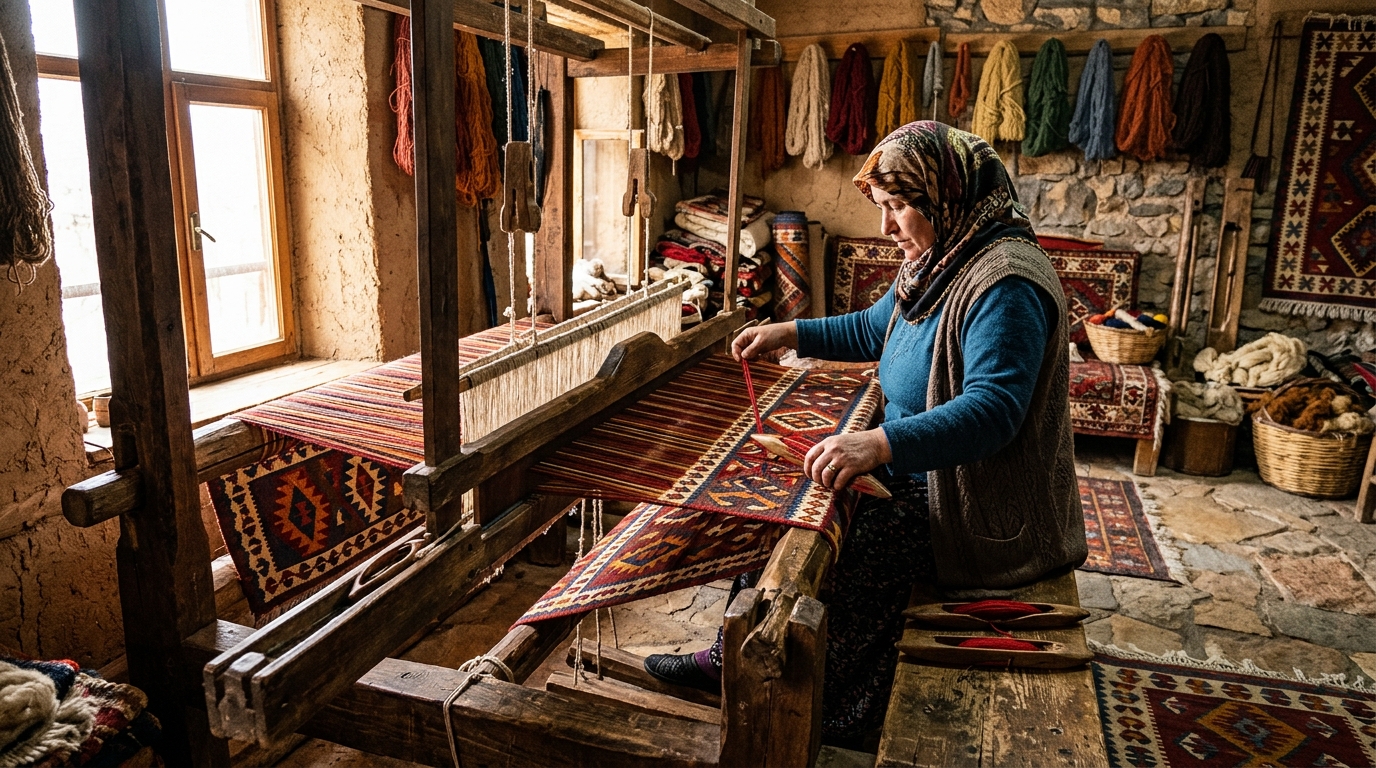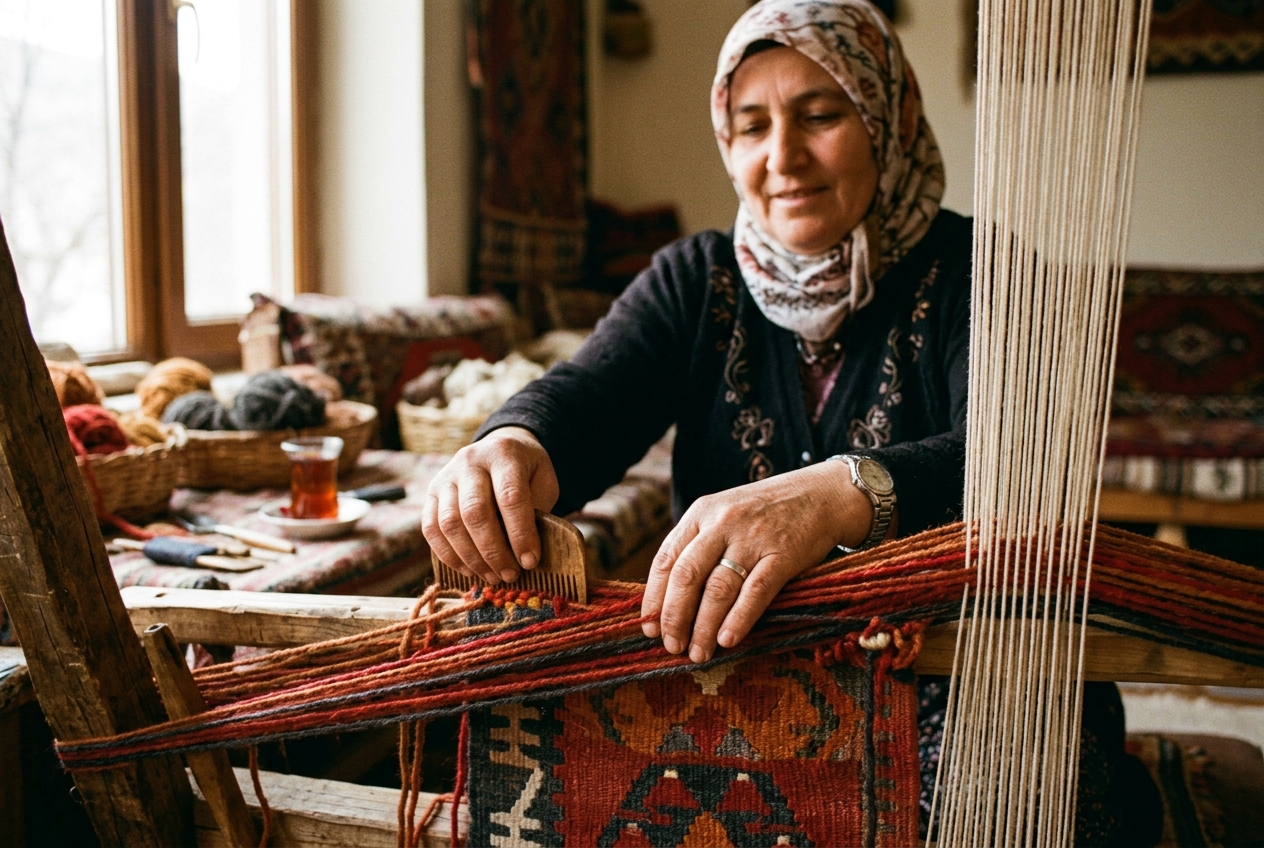
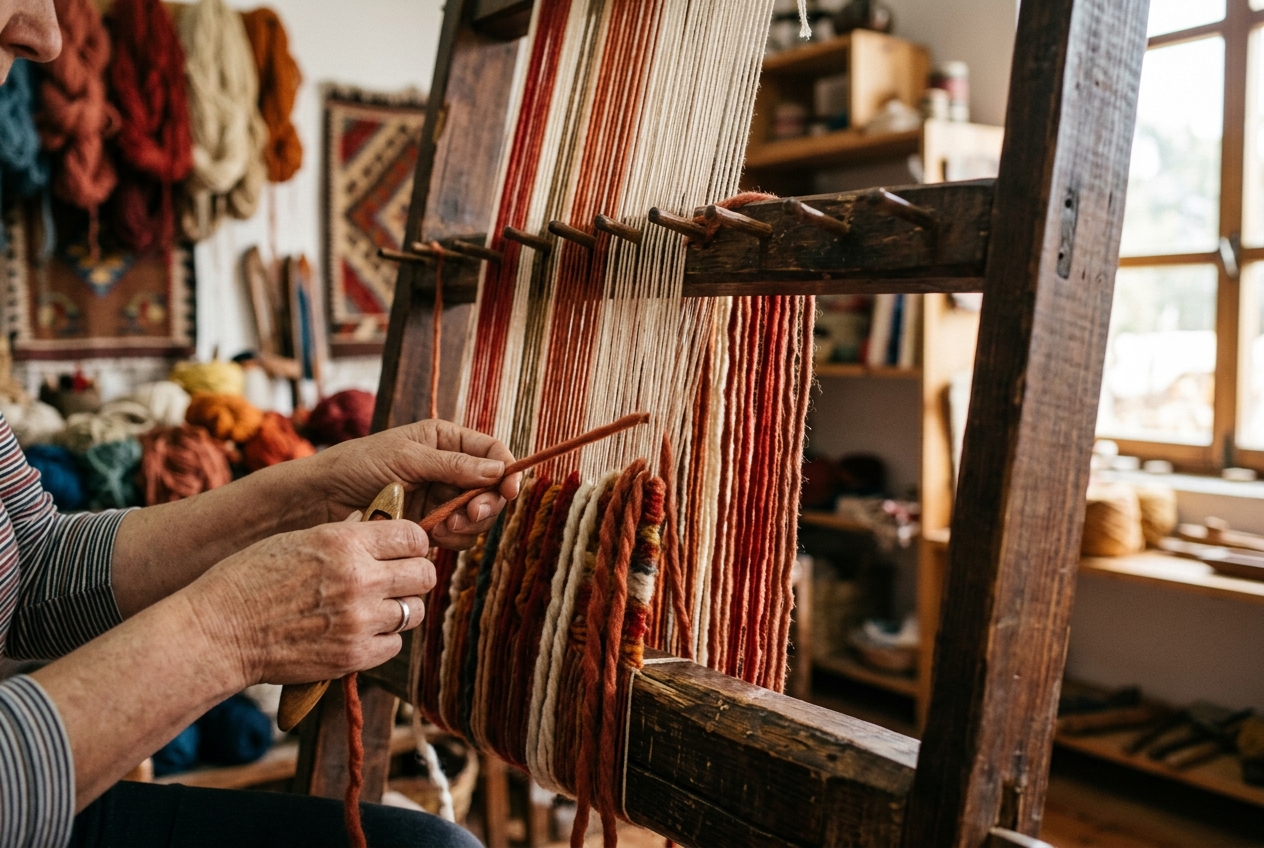
How I Warp a Kilim Loom at Home
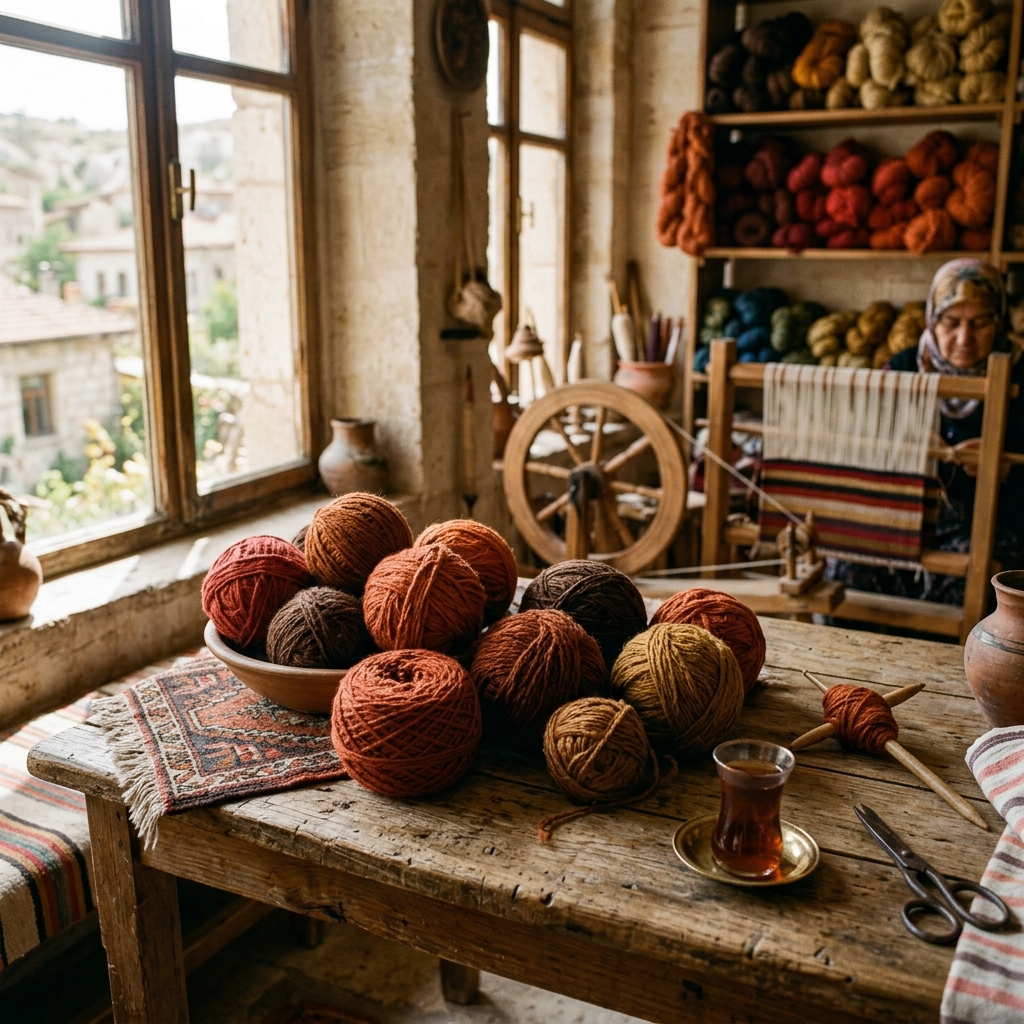
Setting up the loom is the quiet ritual that begins every kilim I make. I'll walk you through how I measure, thread, and tension the warp — all in my small corner workshop with nothing but morning light and patience.
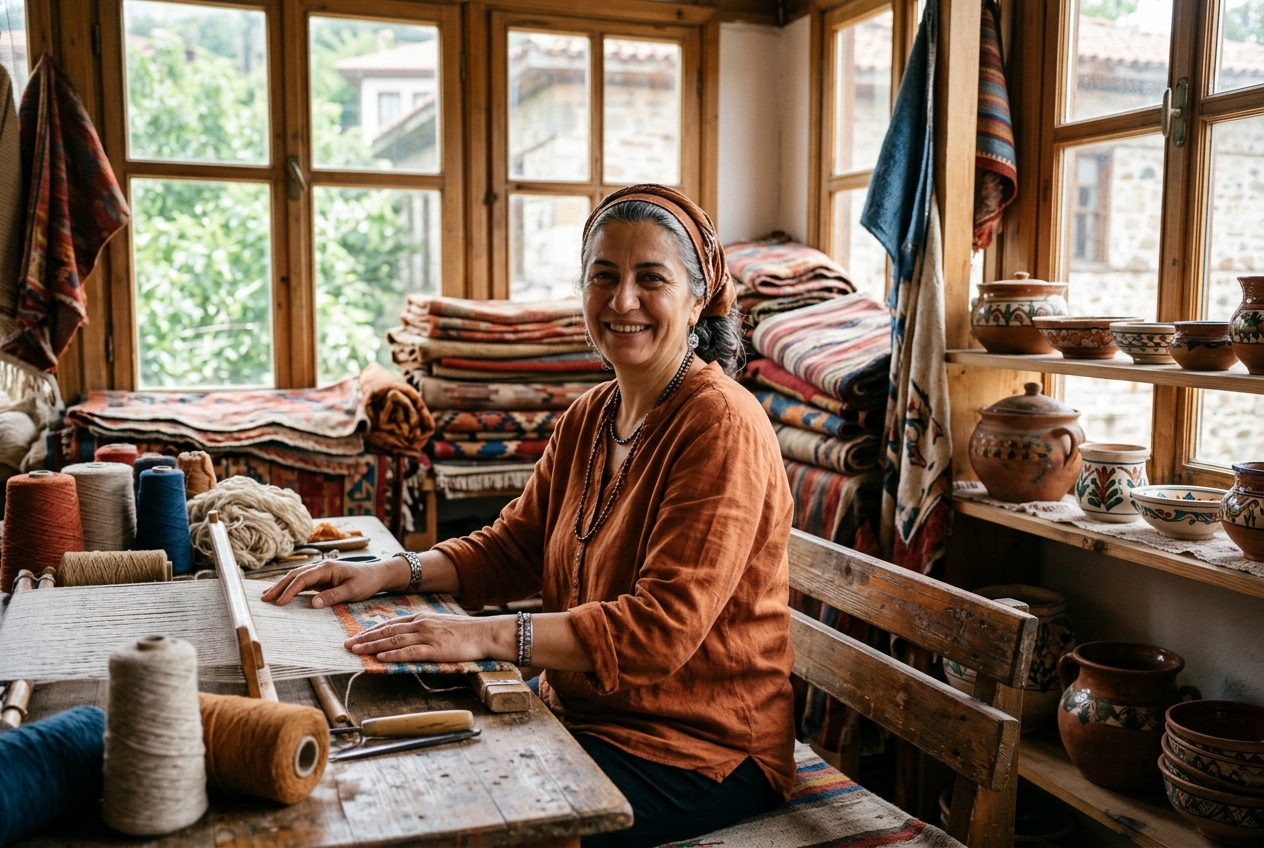
I'm Funda Bayıroğlu, and this is where I open the door to my home workshop in Karasu, Sakarya. Here you'll find the real, step-by-step story behind traditional Turkish handmade crafts — the patience, the repetition, the joy.
From the rhythmic click of a kilim loom and the delicate knots of oya needle lace, to the warmth of wet felt work and the quiet art of Anatolian embroidery — every entry here is a thread in a much larger story of heritage and devotion.
Read the Journal


I was born and raised in Karasu, a small coastal town in the Sakarya province of northwestern Turkey — a place where the scent of pine forests meets the Black Sea breeze, and where handcraft has always been a quiet, persistent thread running through everyday life.
For as long as I can remember, I have been drawn to the language of making — the slow rhythm of a loom, the warm weight of hand-thrown clay, the patience woven into every stitch of Anatolian needlework. These are living traditions, passed down through generations of mothers and grandmothers, often unrecorded and quietly at risk of being forgotten.
This journal is my act of devotion to those traditions. Here I document the techniques, the stories behind the patterns, and the communities that keep them alive — so that these crafts find their place in the future as beautifully as they have honoured the past. Every post is written from my home workshop, with love and careful hands.
Funda Bayıroğlu
Artisan & Craft Documentarian · Karasu, Turkey
From Aegean shores to Anatolian highlands, these four ancient crafts form the living thread of my journal — each one a story passed hand to hand.
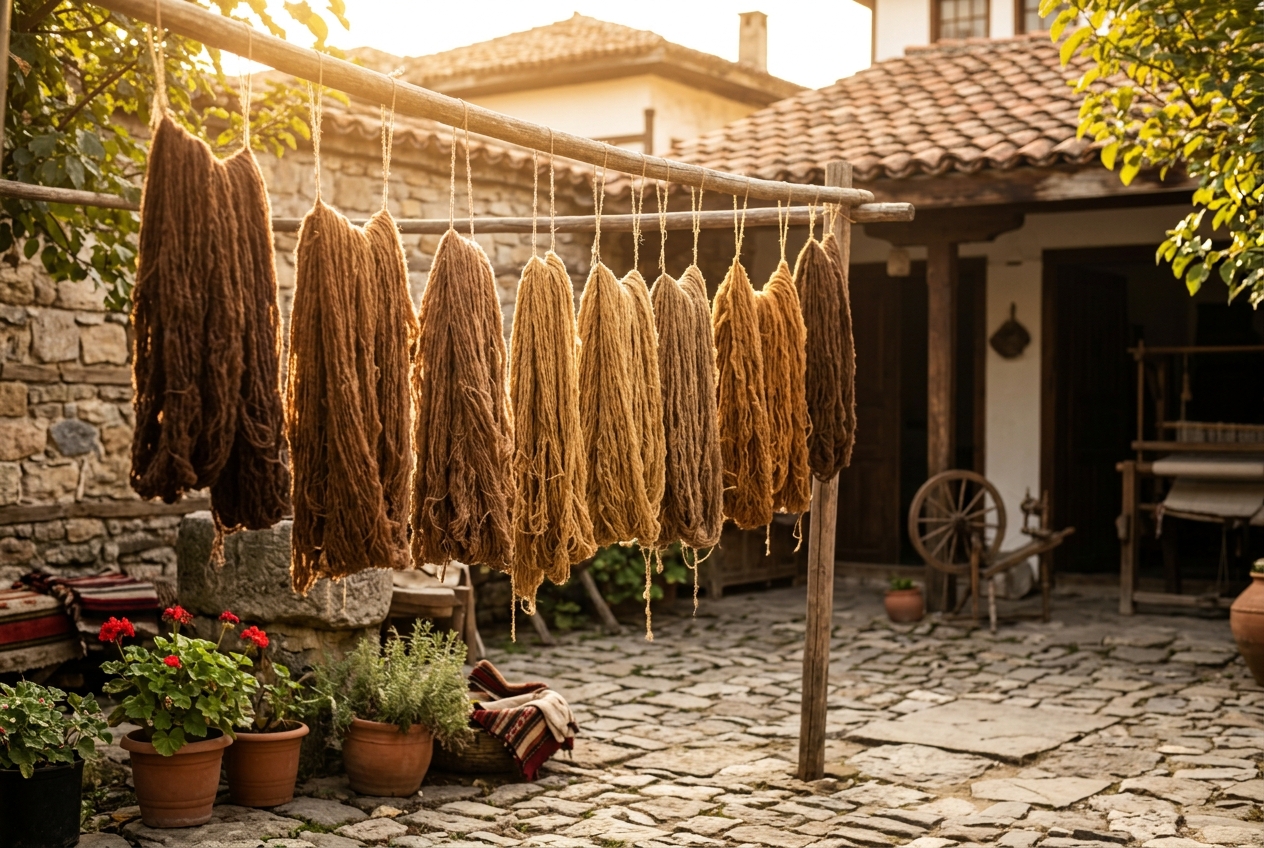
A flatwoven tapestry tradition rooted in Anatolian villages, where geometric motifs carry centuries of tribal memory and regional identity.
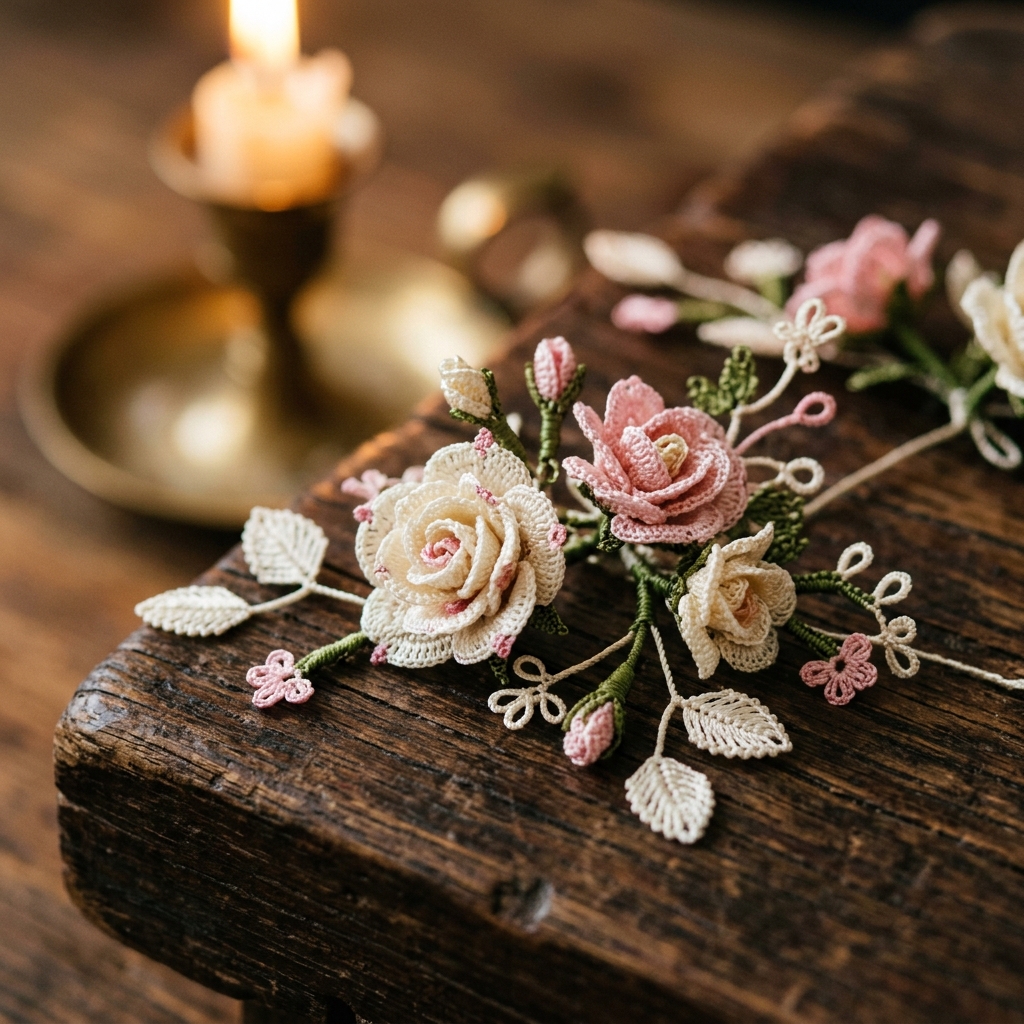
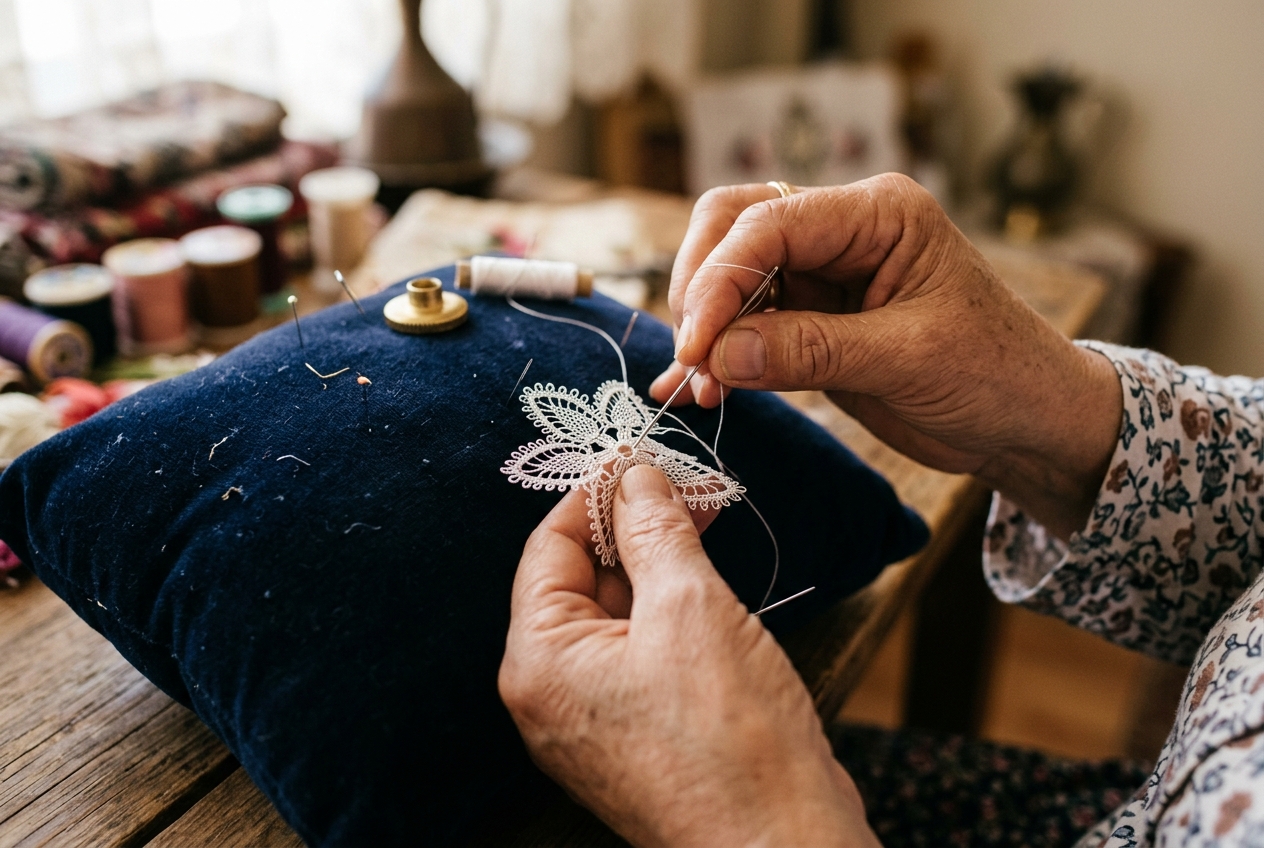
An exquisite Ottoman needlework tradition from the Aegean coast, where silk thread is looped into delicate floral edgings worn on headscarves.
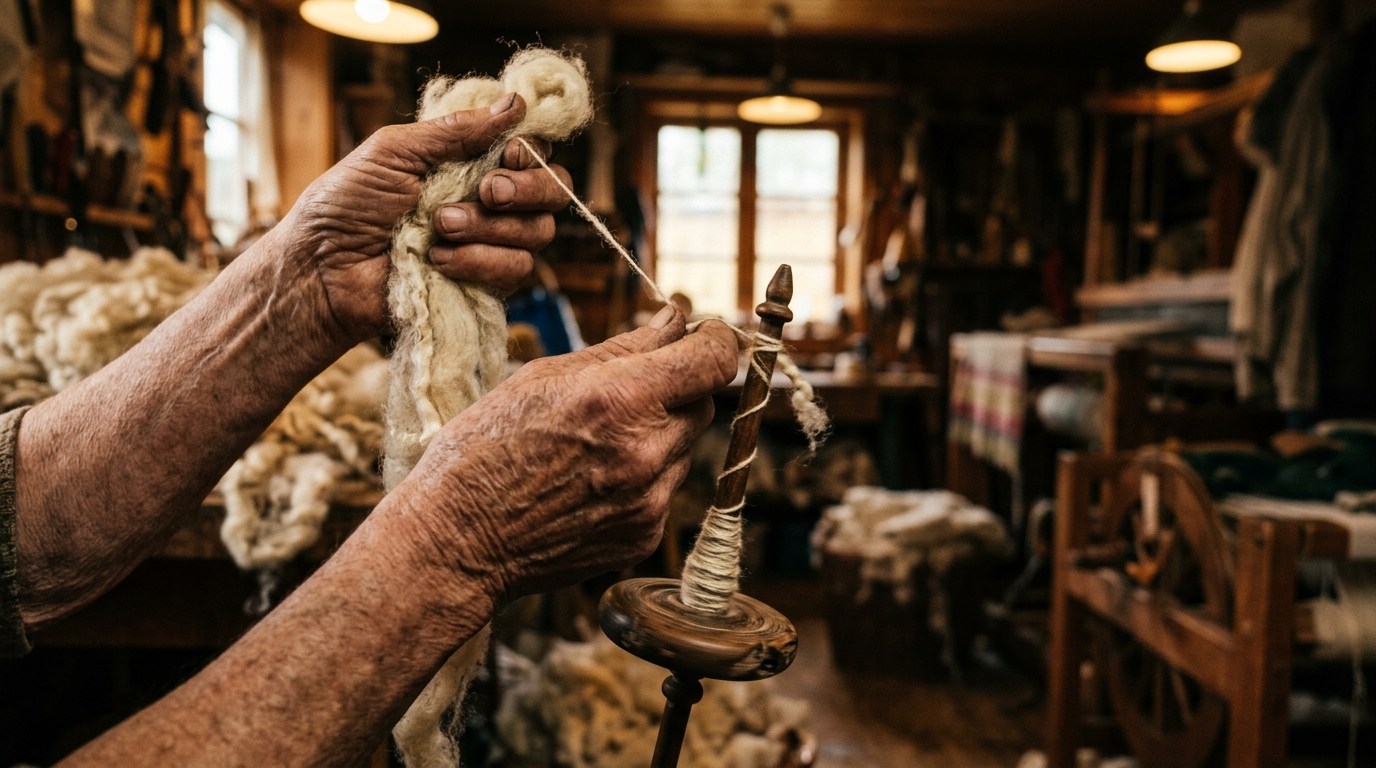
One of humanity's oldest textile arts, practiced across Central Anatolia using raw Merino wool pressed, wetted, and sculpted into rugs and wearables.
A living heritage of Ottoman palaces and village homes alike, Nakış uses silk and metal threads to embroider blooms and arabesques onto linens and garments.
Notes from my workbench — honest accounts of the process, the mistakes, and the small victories that come with practising traditional craft.

When my hands find the rhythm of the loom, everything else falls quiet — and in that silence, I feel the women who came before me guiding each thread.
Every stitch holds a story. In my small Istanbul workshop, I spend my mornings preserving techniques passed down through generations — not just to create beautiful objects, but to keep a living tradition breathing.
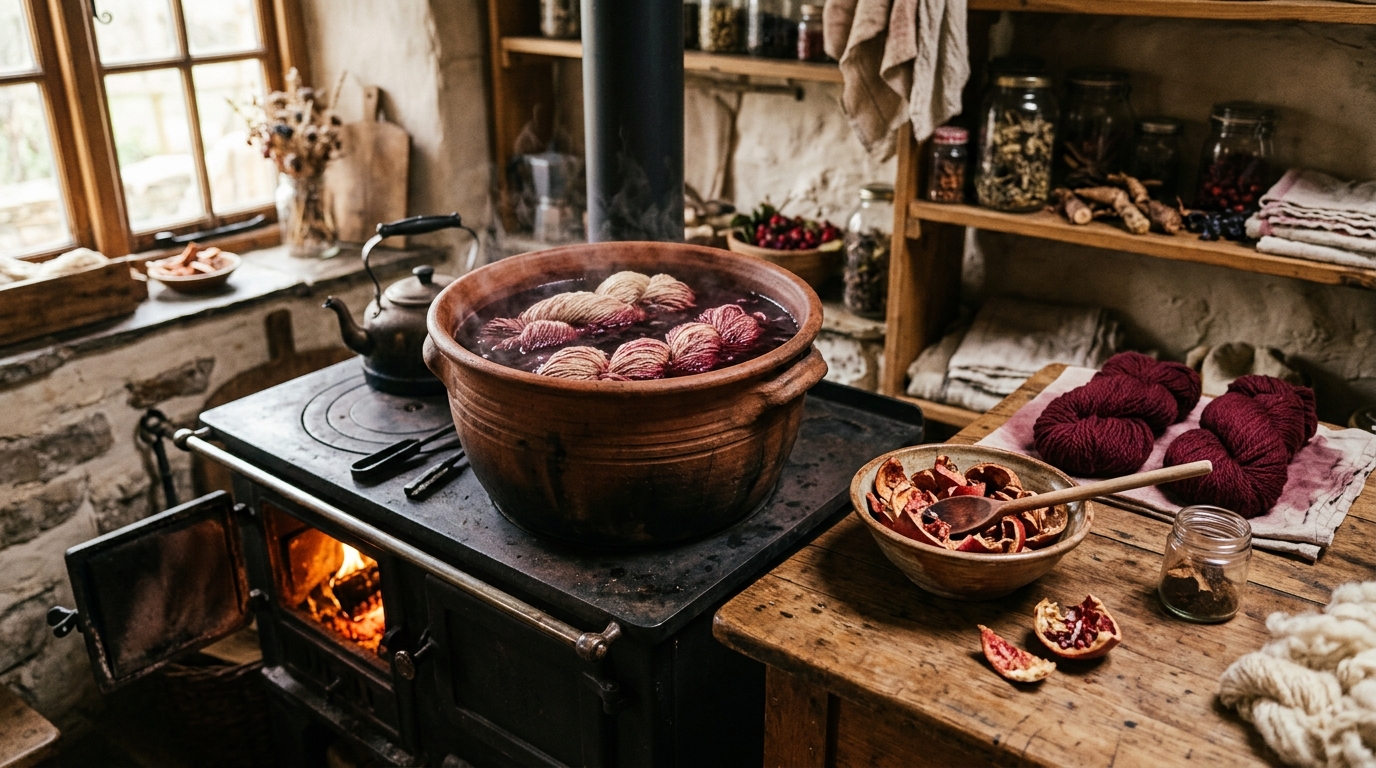
Every now and then I prop my phone against a jar of dye or balance it on the loom bench and press record. These are informal, unedited recordings — no commercial intent, no production crew. Just me, my tools, and the honest process of traditional Turkish craft, documented as it happens.
These recordings are purely for educational documentation — sharing traditional methods that might otherwise be lost. Unedited, imperfect, and entirely from the heart.
More recordings are added occasionally — usually after a particularly good dyeing or weaving session. No schedule, no algorithm. Just craft.
Subscribe and I'll gently let you know each time I publish a new journal entry — a new pattern discovered, a stitch remembered, a tradition kept alive.
No spam, no commerce — only craft stories.
Handcrafted with love — traditional Turkish artistry from my home to your heart.
© 2026 FUNDA BAYIROĞLU — All rights reserved.
Made with love in Karasu, Türkiye